
What is research in film production?
Learn how research supports film production, from story and character work to locations, visuals, interviews, and accuracy.

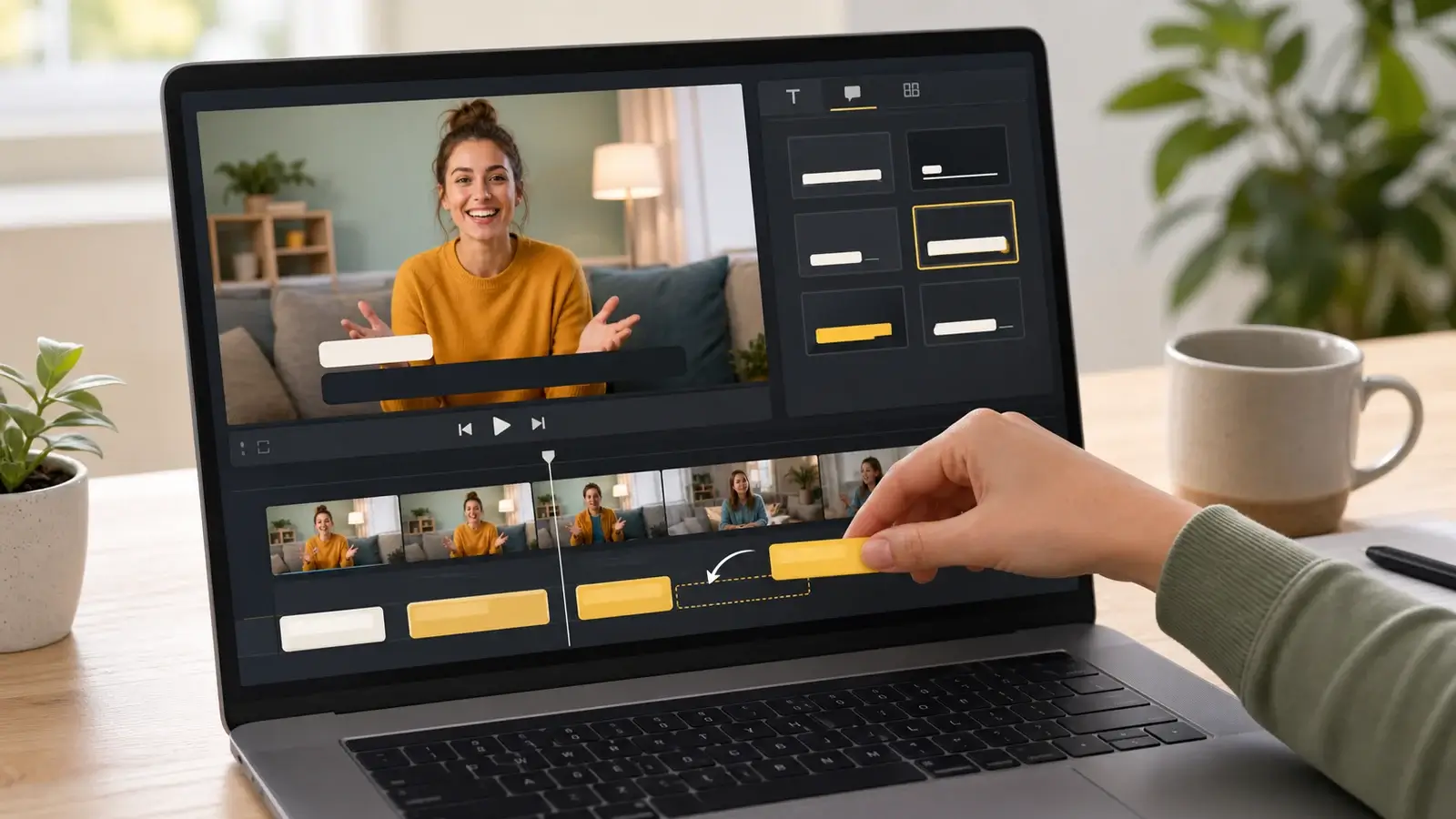
How to add captions in iMovie
Learn how to add caption-like text in iMovie, what the app can and cannot do, and how to keep captions readable.
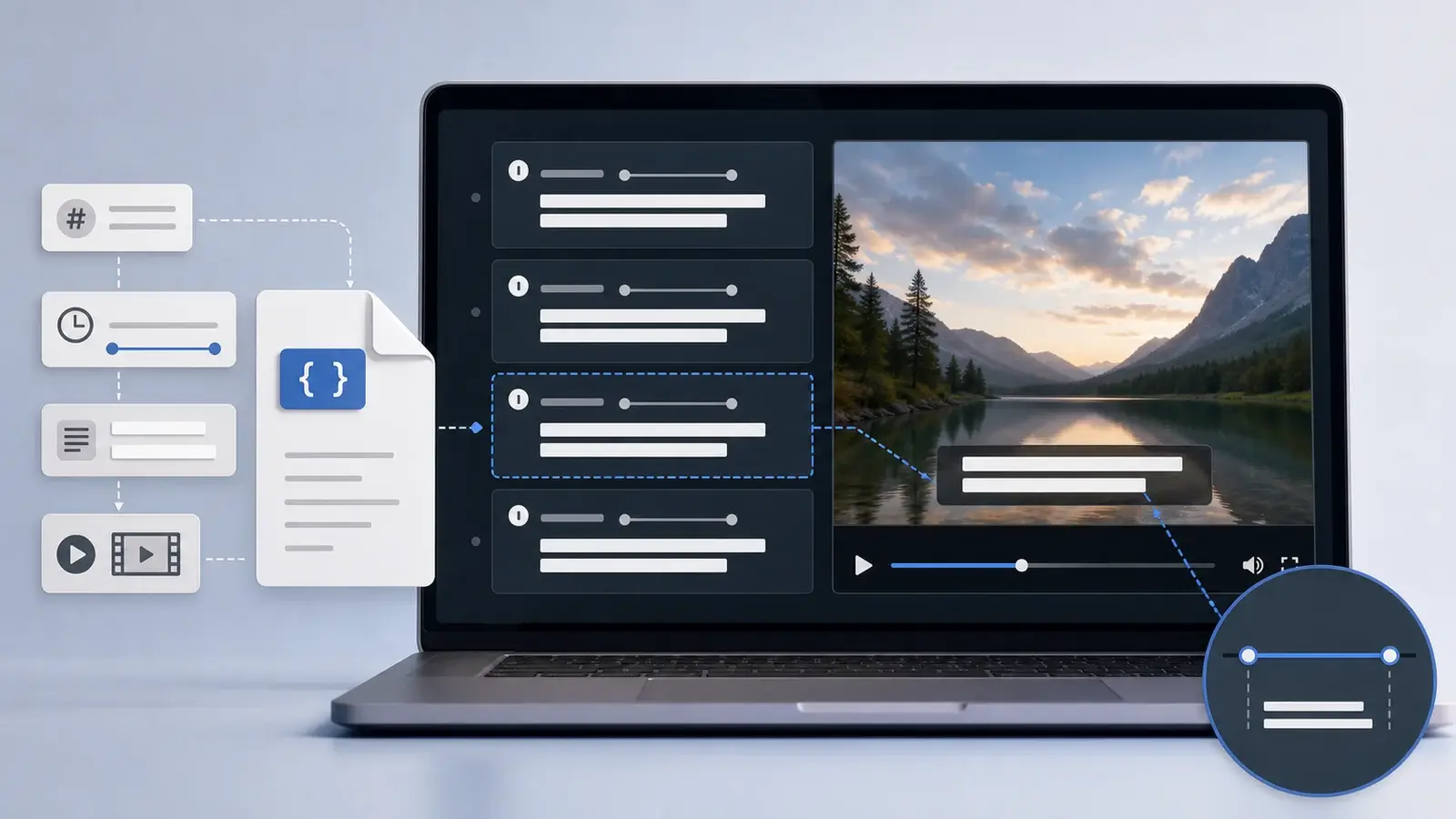
What is an SRT file?
Learn what an SRT file is, what its timestamps mean, and how this plain text subtitle format is commonly used.
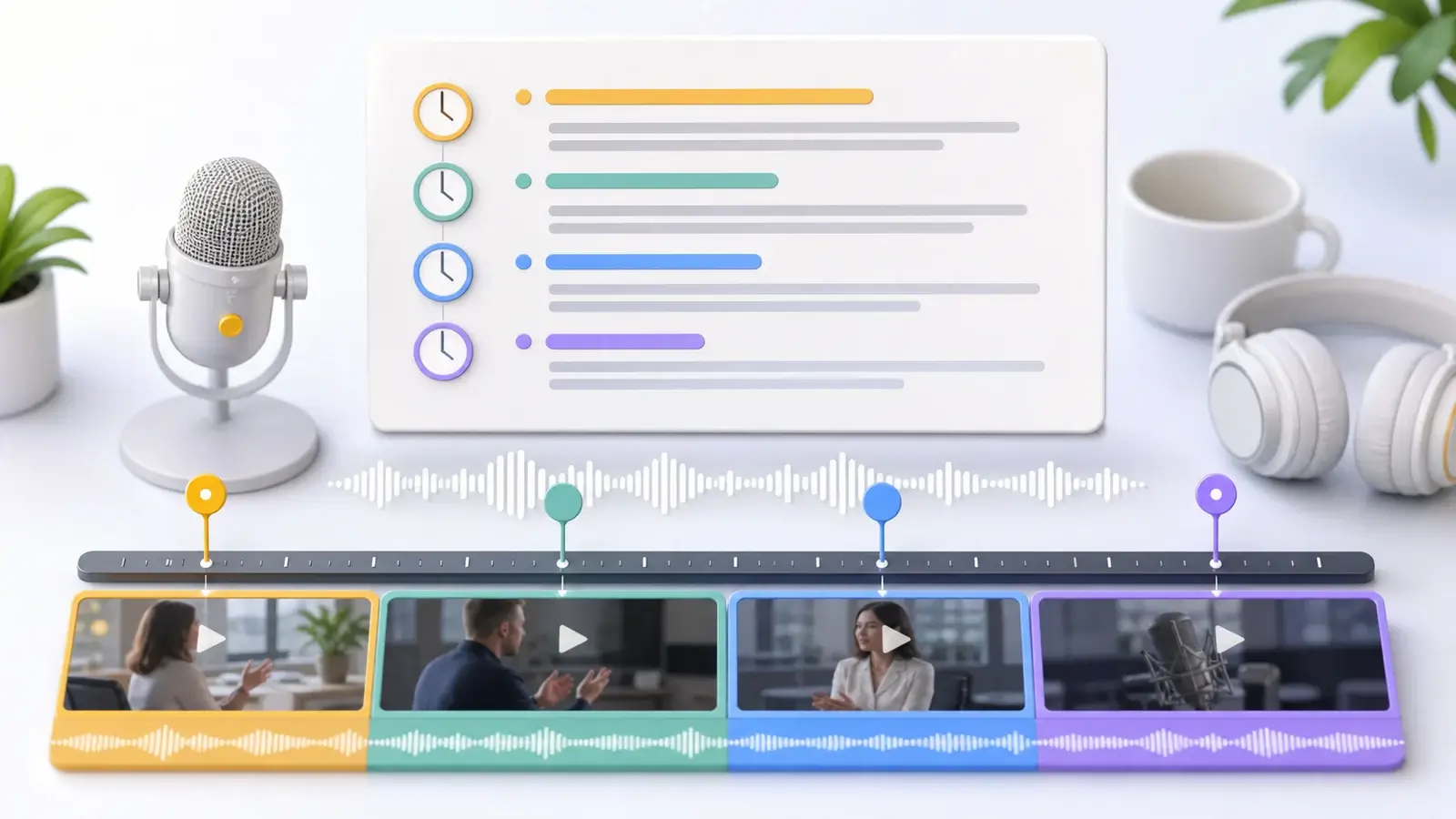
What is a time coded transcript?
Learn what a time coded transcript is, how timestamps work, and how it differs from subtitles and plain transcripts.
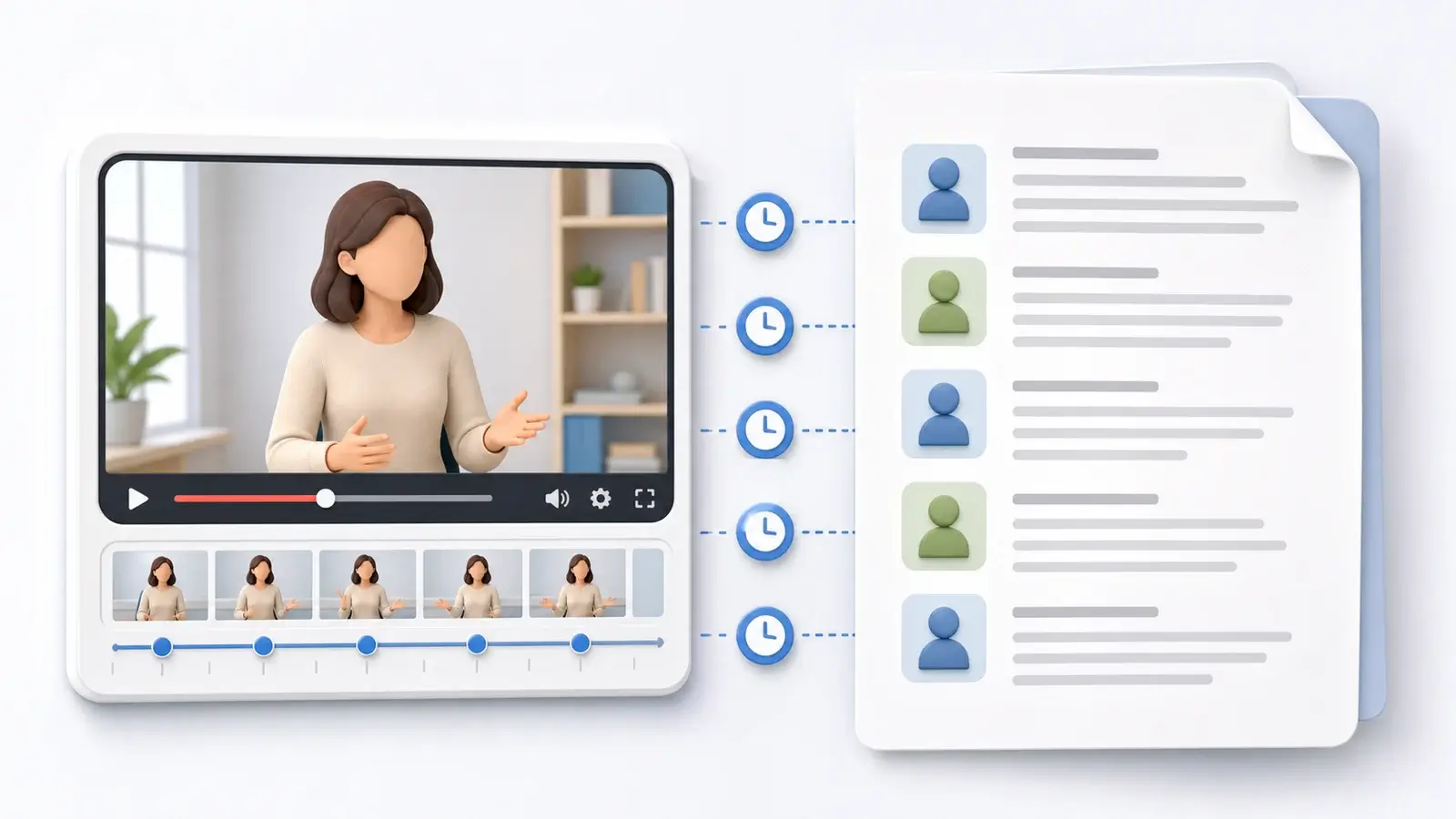
What does a video transcript look like?
See what a video transcript can include, with plain text and time-coded examples for common video workflows.
What is a transcriber?
Understand what a transcriber does, how human and software transcribers differ, and when transcripts still need review.
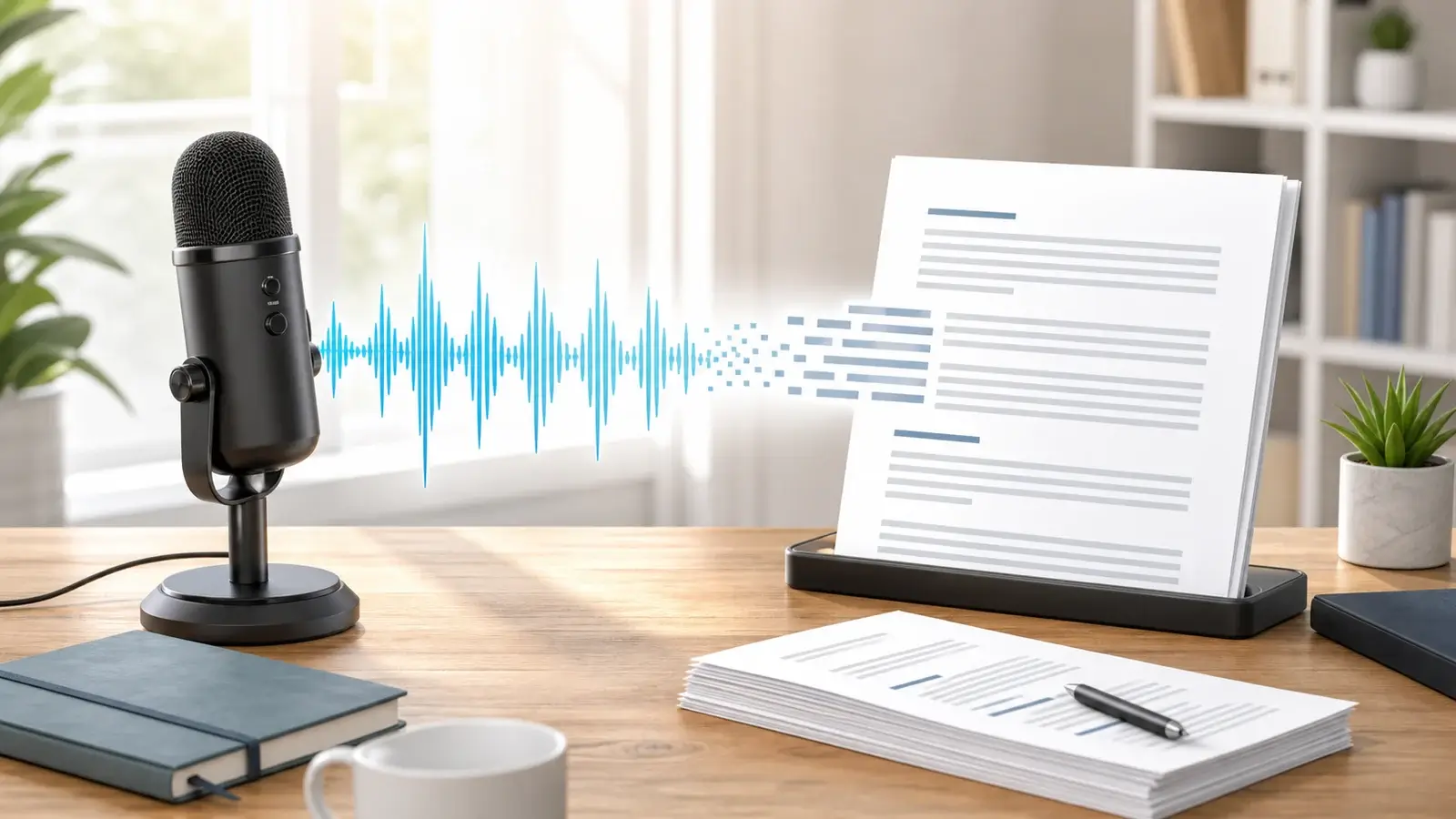
What is audio transcription?
Learn what audio transcription means, how it works, and what makes a transcript accurate, readable, and useful.
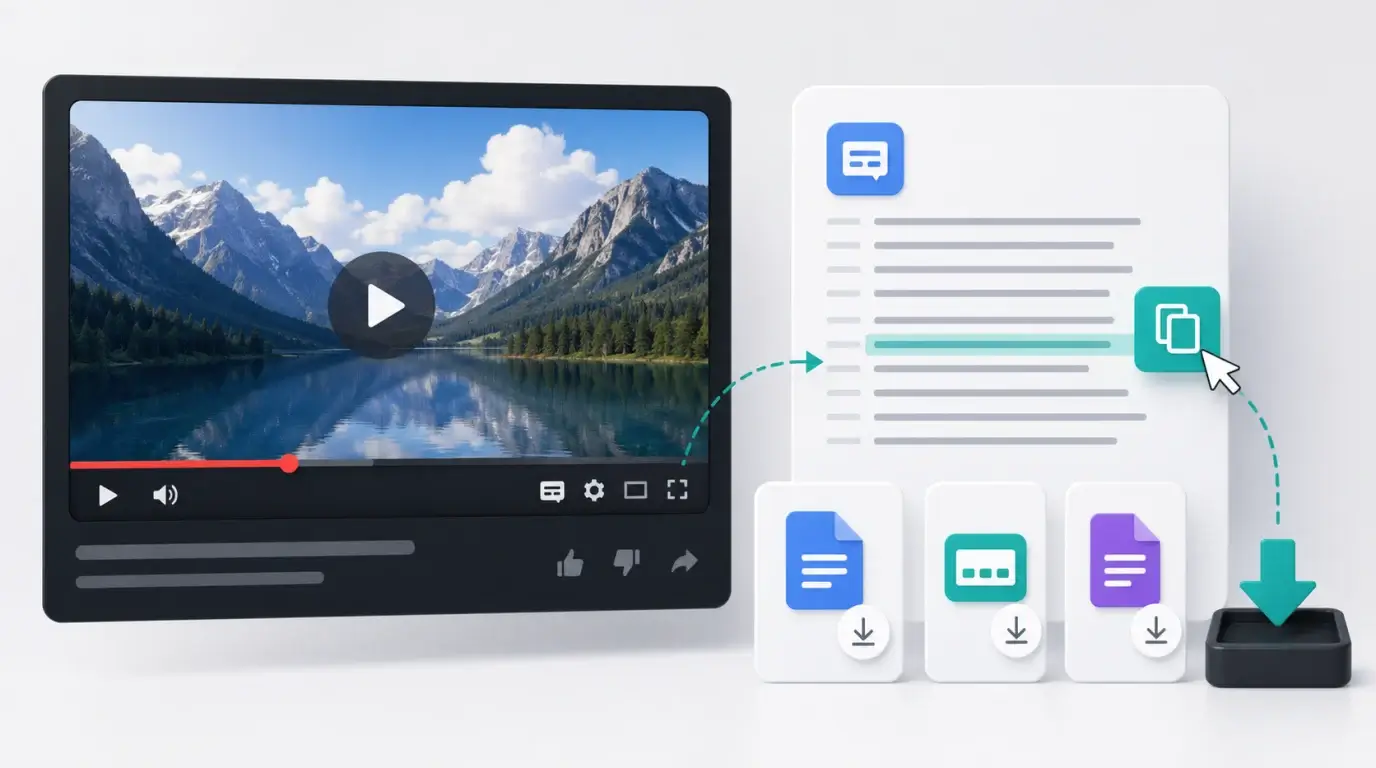
How do you download the transcript on YouTube?
Learn the difference between viewing, copying, and downloading YouTube transcripts and captions.
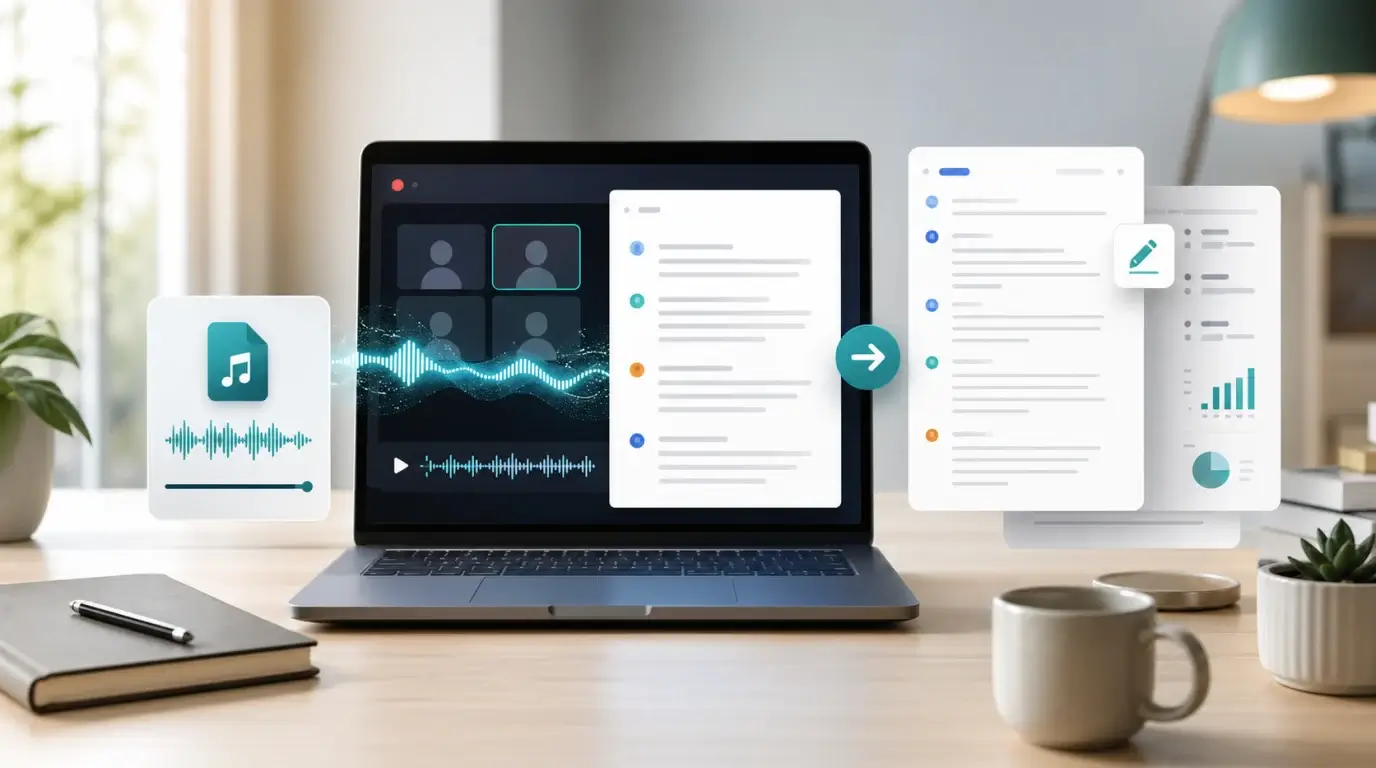
How can I take a Zoom audio file and get it transcribed to text?
Learn how to export Zoom audio, upload it to NeatScribe, and turn the recording into a clean, editable transcript.
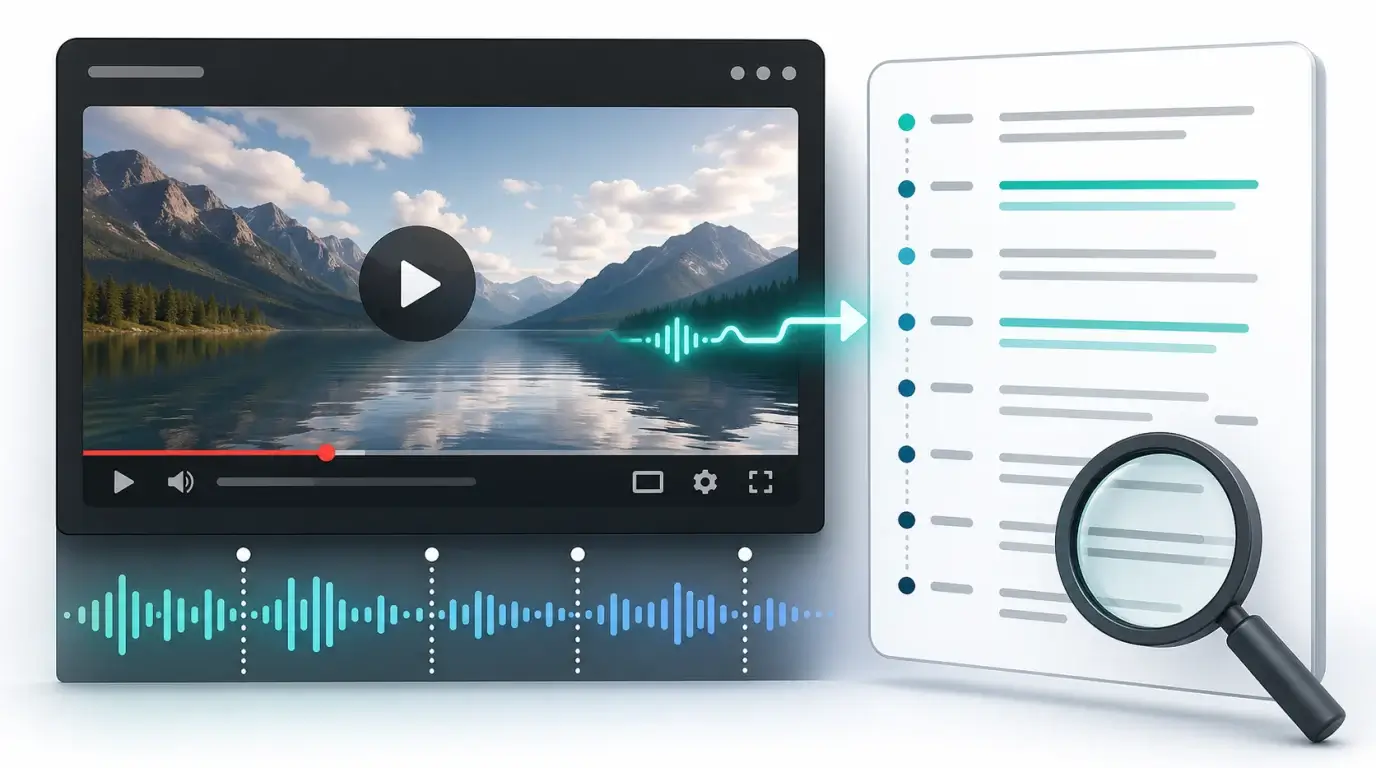
How can I get transcript from YouTube video?
Learn how to view YouTube's built-in transcript and how to generate a clean YouTube transcript with NeatScribe when you need editable text.
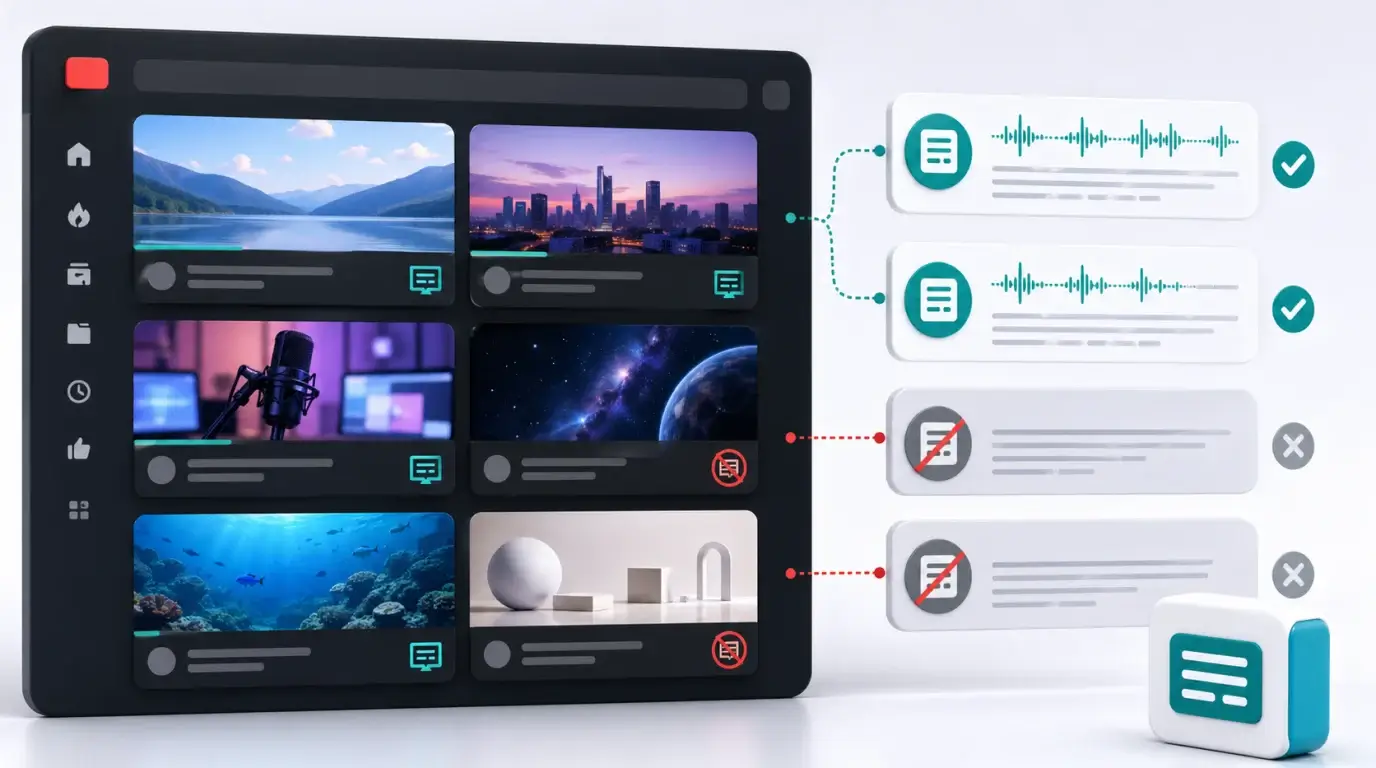
Do all YouTube videos have a transcript?
Learn why some YouTube videos have transcripts, why others do not, and what to do when the transcript button is missing.
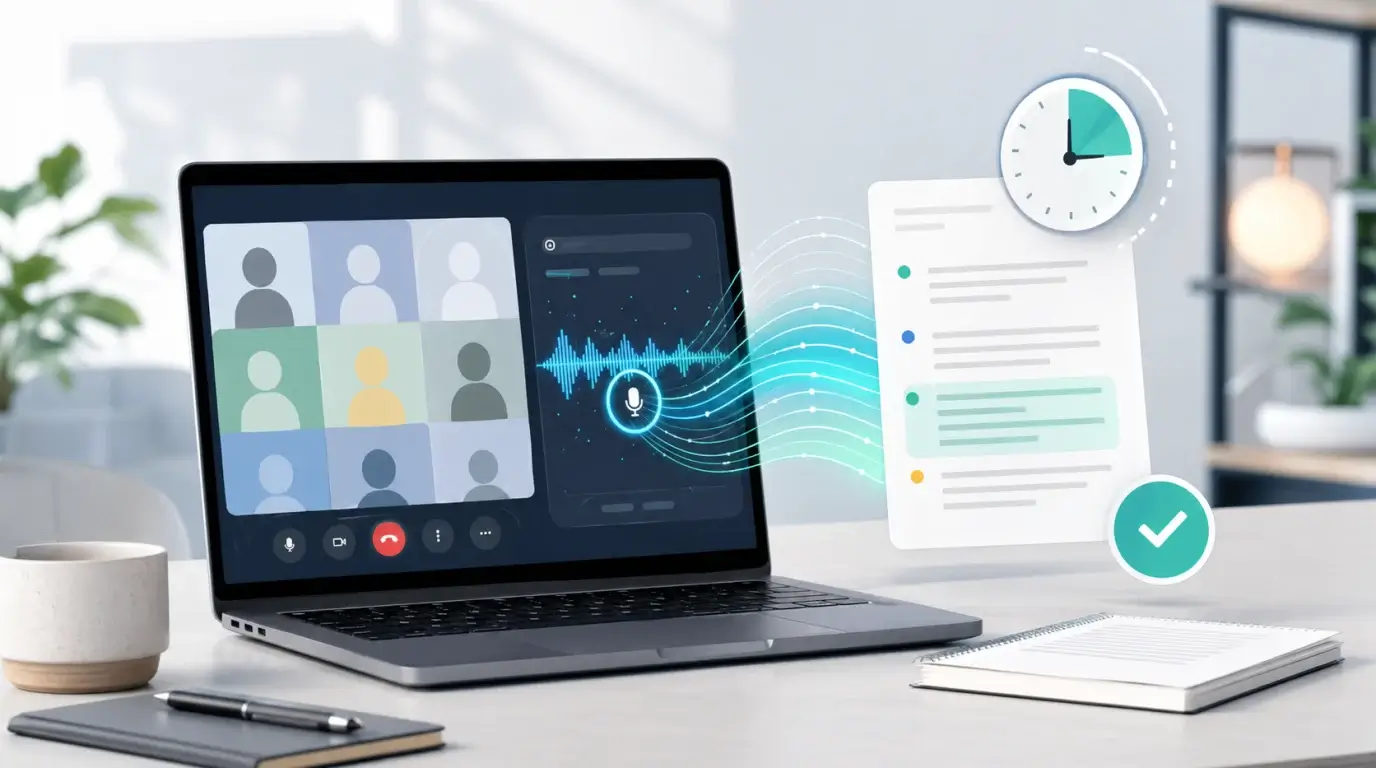
How long does it take for Google Meet to transcribe audio to text?
Learn when Google Meet transcripts become available, why processing can take longer, and what to do if you need a transcript quickly.