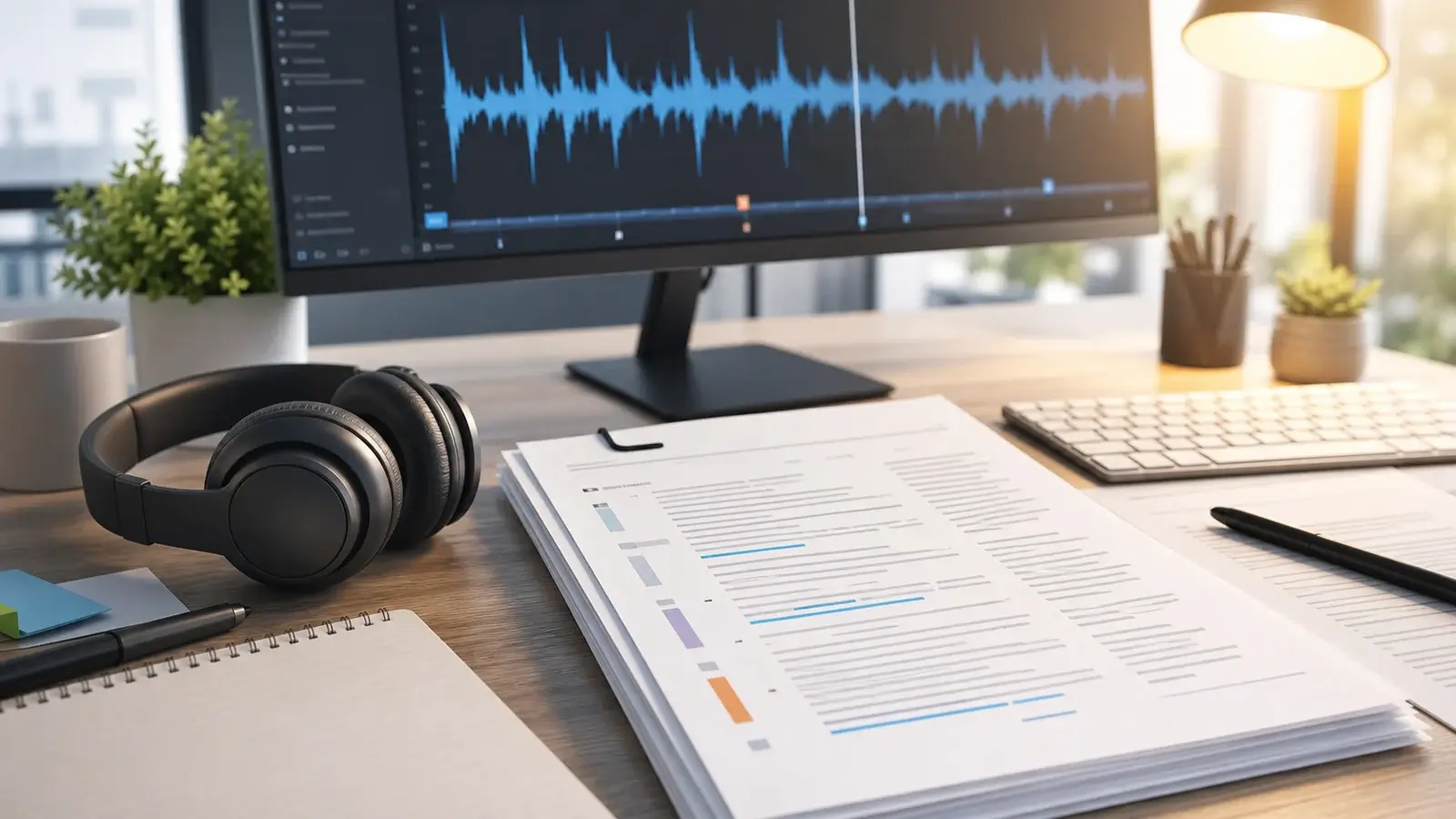
What is a transcriber?
Understand what a transcriber does, how human and software transcribers differ, and when transcripts still need review.
The short answer
A transcriber is someone or something that converts speech into written text. The word can refer to a person who listens to recordings and types a transcript, or to software that uses speech recognition to produce text automatically.
In everyday use, a transcriber may work on interviews, meetings, podcasts, lectures, videos, court proceedings, medical dictation, research recordings, or customer calls. The output is a transcript: a written version of what was said.
A transcriber as a person
When people talk about a professional transcriber, they usually mean a person who listens carefully and turns audio or video into a written document. This job requires more than fast typing.
A good transcriber has to understand different accents, manage unclear audio, identify speakers, follow formatting rules, and make judgment calls about what to include. They may need to mark inaudible sections, preserve filler words in a verbatim transcript, or lightly clean the wording in an edited transcript.
Human transcribers are especially useful when the recording has poor audio, multiple speakers, sensitive material, legal or medical terms, or important quotes that must be checked carefully.
A transcriber as software
The word transcriber is also used for software. An AI transcriber listens to an audio or video file and creates a transcript using automatic speech recognition. Some tools also add timestamps, speaker labels, summaries, translations, or subtitle exports.
Software transcribers are fast. They can process long recordings much more quickly than a person typing from scratch. They are useful for first drafts, searchable archives, meeting notes, content repurposing, and routine documentation.
But software does not truly understand the recording the way a careful human reviewer does. It predicts words from sound and context. That means it can mishear names, technical terms, numbers, overlapping speech, quiet voices, or words spoken with heavy background noise.
What good transcribers pay attention to
Accuracy is the obvious skill, but a useful transcript also needs structure. A transcriber decides where paragraphs should break, how speakers should be labeled, whether non-speech sounds matter, and how to handle incomplete sentences.
Context matters too. In an interview, the reader may need clear speaker labels. In a legal setting, exact wording may matter more than smooth readability. In a podcast transcript, the goal may be a clean article-like reading experience. In a research transcript, pauses, emphasis, and uncertainty may be important.
Transcribers also pay attention to consistency. If a product name appears ten times, it should be spelled the same way each time. If a speaker is labeled "Interviewer" at the start, the label should not randomly change later.
Transcriber vs transcriptionist
Transcriber and transcriptionist are often used in similar ways. Both can describe a person who creates transcripts. In some workplaces, "transcriptionist" is the job title, while "transcriber" is the more general word.
There are also specialized roles. A court reporter may capture legal proceedings in real time. A captioner may create text for live or prerecorded media. A medical transcriptionist may convert healthcare dictation into formal reports. These roles all involve speech-to-text work, but they have different standards, tools, and training expectations.
When a transcript still needs review
Even a good transcriber can make mistakes, and AI-generated transcripts should almost always be checked before serious use. Review is most important for names, figures, quotes, action items, and anything that may be published or used as evidence.
The amount of review depends on the risk. A rough transcript for personal notes may only need a quick scan. A transcript for journalism, research, subtitles, client records, or legal review should be checked against the source recording.
A transcriber turns speech into text. A good transcription process turns that text into something people can trust, search, share, and use.
More Posts

What is research in film production?
Learn how research supports film production, from story and character work to locations, visuals, interviews, and accuracy.

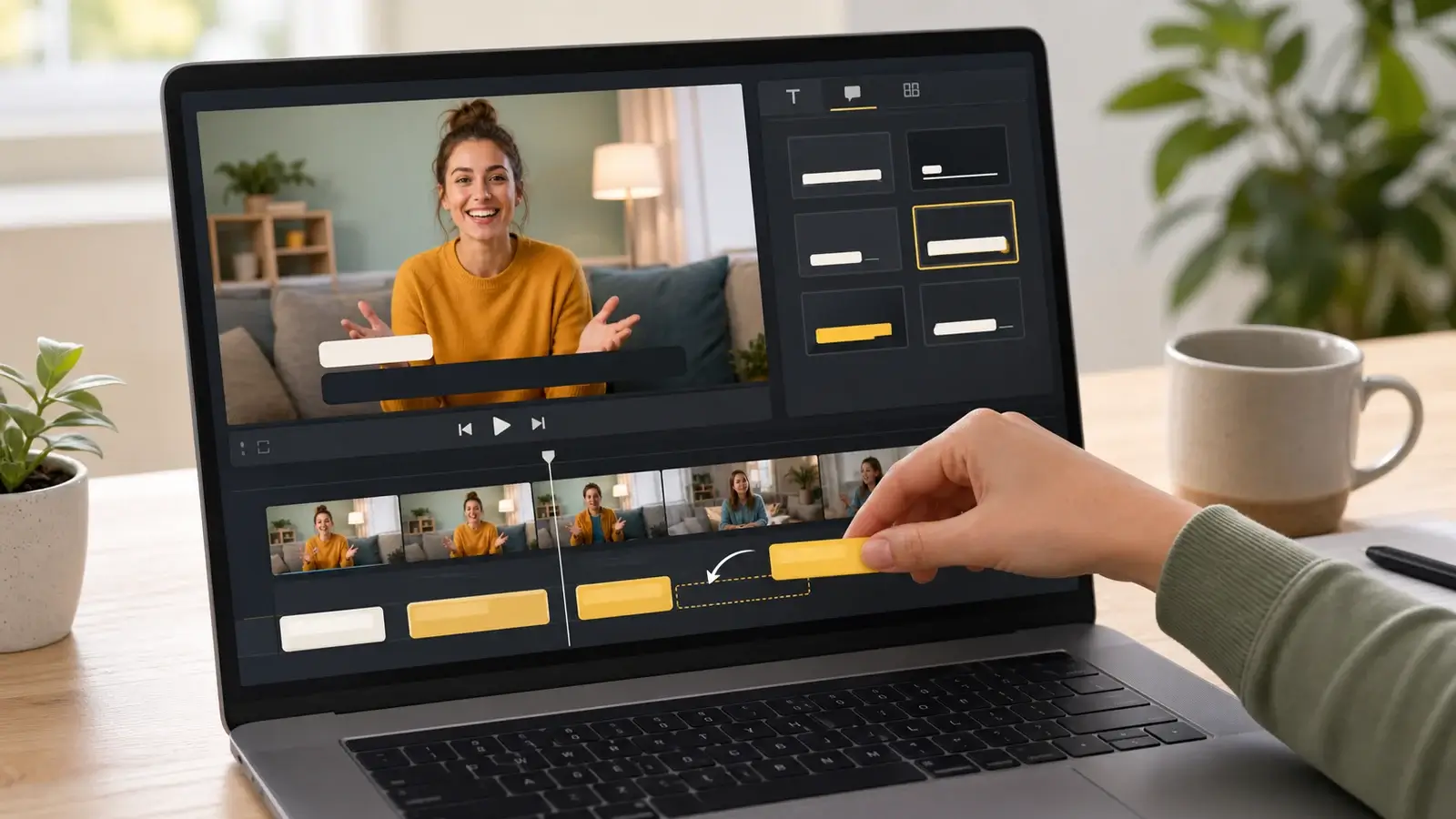
How to add captions in iMovie
Learn how to add caption-like text in iMovie, what the app can and cannot do, and how to keep captions readable.
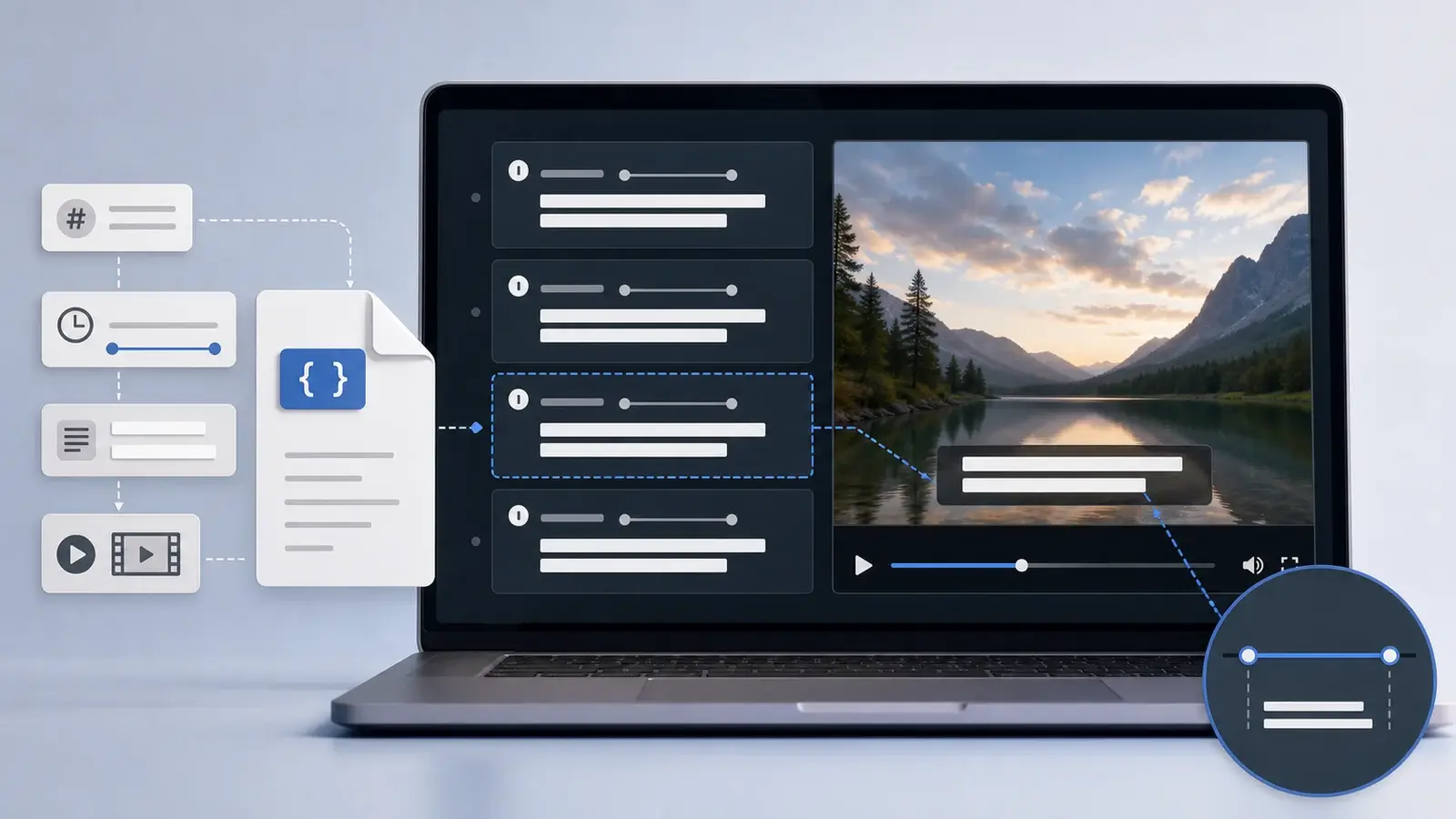
What is an SRT file?
Learn what an SRT file is, what its timestamps mean, and how this plain text subtitle format is commonly used.